Transforming waste for a better future
Who Are We?Our Story
Our journey begins with a rich legacy and a commitment to applying proven waste management models to bring about positive environmental change globally and in Australia.
The narrative of Goldrec Australia is a testament to passion, innovation, and a steadfast commitment to a purpose beyond mere profit. Driven by determination and a profound belief in the efficacy of circular economy, our aspiration is to elevate this startup into a beacon of inspiration, urging nations to reconsider their waste management paradigms and embrace the transformative potential inherent in a circular economy.
Casinos en France acceptant Neosurf – analyse du site de nos partenaires
Le site de nos partenaires recense les casinos en ligne accessibles depuis
la France qui intègrent Neosurf comme solution de paiement prépayée.
L’analyse montre que ce moyen de dépôt est surtout utilisé sur des
plateformes à forte orientation sécurité et anonymat des transactions. Dans
ce segment, Betclic maintient une infrastructure de paiement optimisée avec
des validations quasi instantanées, tandis que les flux prépayés
représentent en moyenne 22 % des dépôts alternatifs sur ce type
d’opérateurs.
La comparaison avec d’autres acteurs du marché met en évidence des
différences de fluidité et de conformité. Winamax affiche des délais de
traitement inférieurs à une minute pour les dépôts compatibles, alors que
Unibet s’appuie sur une architecture multi-fournisseurs réduisant les échecs
de transaction d’environ 15 % selon les données agrégées. Ce positionnement
contraste avec les structures plus institutionnelles comme FDJ, où les
solutions de paiement restent davantage encadrées et orientées vers les
produits de loterie et paris sportifs.
Les statistiques observées sur les plateformes partenaires indiquent que les
utilisateurs de Neosurf privilégient les dépôts de faible montant, avec une
moyenne située entre 20 et 50 euros par transaction. Ce comportement réduit
le taux de rejet bancaire à un niveau inférieur à 5 %, contre 12 à 18 % pour
les paiements par carte classique selon les segments analysés. Les casinos
optimisés pour les paiements instantanés améliorent ainsi la rétention
utilisateur grâce à une friction d’entrée réduite.
L’écosystème global montre que l’adoption de Neosurf reste corrélée à la
recherche de contrôle budgétaire et à la limitation des traces bancaires
directes. Les plateformes les plus performantes sur ce segment combinent
validation rapide, interface simplifiée et intégration stable des vouchers
prépayés, ce qui crée un avantage concurrentiel mesurable dans les
environnements à forte régulation comme le marché français.
What We Do?Our Services
Our comprehensive services encompass the recycling of a diverse range of waste streams, including plastic waste, construction and demolition waste, e-waste, solar panel waste, as well as paper and cardboard waste.
Understanding the need and importance of plastic waste management, we recycle and transform diverse plastic waste streams, including HDPE, LDPE, PP, PET, and mixed plastics, into reusable products.
The sheer volume of waste generated on the construction sites poses a great environmental challenge. At Golrec, we specialize in developing strategies that help us transform C&D waste.
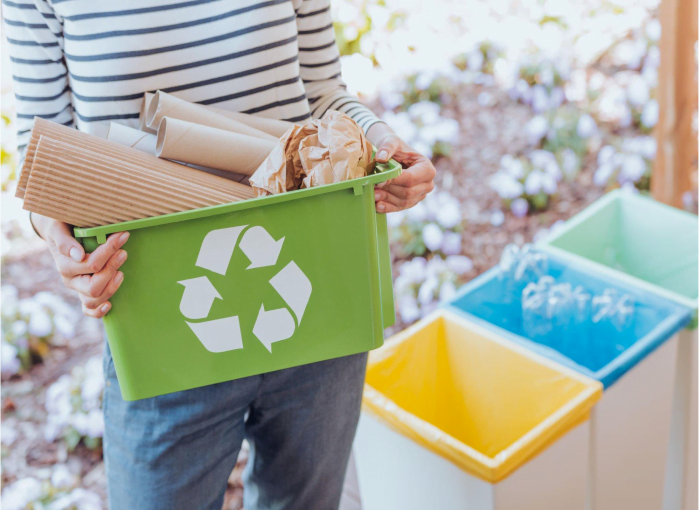
The waste generated from paper and cardboard has been increasing day by day. As a leading company in waste management consultancy, our team is dedicated to revamping how we utilize paper and cardboard.
Correct disposal of electronic devices is the need of the hour today. We deploy the latest technologies and techniques that help us recycle all the gathered e-waste for a sustainable environment.
Solar panels have been one of the leading sources of renewable energy, but the concern arises when they reach the end of their life cycle. Our approach to solar panel waste management makes sure that you correctly dispose of them, leaving no harm to the environment.

How Do We Work?Our Process
Appointment scheduling
It helps us understand what kind of industry the customer operates in and what plastic waste they want to reuse.Pickup of the waste material
Our team will schedule a pickup of all the plastic waste from the customer’s site.Recycle the waste
We are equipped with the latest technology to recycle all types of plastic waste in our factory.Delivery of the recycled product
The recycled plastic waste is delivered back to the customer for further reuse.Who Do We Serve?

Municipalities And Governments
We serve municipalities and governments who are committed to implementing sustainable waste management practices, seeking environmentally friendly solutions, and adhering to regulatory standards.

Industrial And Manufacturing Companies
We offer an opportunity for companies to reduce their carbon footprint, demonstrate corporate social responsibility, and incorporate recycled materials into their production processes.

Waste Collection And Hauling Companies
Through our recycling facilities, we play a pivotal role in diverting waste from landfills, thereby contributing to emission mitigation and facilitating to achieve of net zero goals.

Retailers And Consumer Goods Companies
Our recycling services empower retailers and consumer goods companies to reach their sustainability goals. By incorporating recycled content into their products. They not only meet environmental goals but also cater to consumer preferences for eco-friendly packaging.

Educational Institutions
Our recycling of waste and awareness programs demonstrate the commitment to sustainability, provide educational opportunities, and foster a sense of environmental responsibility among students.

Environmental NGOs And Advocacy Groups
We involve environmental NGOs and advocacy groups in our recycling and awareness programs on waste management which enhances the community engagement.

Consumers And Communities
We foster a sense of community involvement, allow individuals to contribute to environmental conservation, and support a circular economy.

Government Environmental Agencies
Our recycling effort helps in supporting government initiatives, meets environmental goals, and enhances waste management infrastructure.
Why Should
You Recycle
And Reuse?
The principles of recycling and reuse, commonly known as the 2Rs, have evolved into essential components of contemporary living. The accumulation of vast amounts of plastic waste on our planet has reached unprecedented levels, necessitating urgent action in the form of recycling and reuse.
Recycling, is a transformative process that turns used materials into new products lie at the heart of our operations at Goldrec. Through the integration of advanced technologies, we convert waste into innovative products, ready for reuse. Our recycled materials are not limited to internal use; they can also be supplied to diverse industries with specific product requirements.
Embracing the 2Rs holds the key to mitigating the generation of various types of waste material, thereby contributing to a more sustainable and cleaner Earth.
Our global partners &
technical advisors


Ready to Make a Difference? Join Our Recycling Revolution Today!
Get in Touch
Phone: +61 413 923 311, +61402335439
Email: aasimwarsi@goldrecaustralia.com, info@goldrecaustralia.com
Get in Touch
Phone: +61 413 923 311
Email: aasimwarsi@goldrecaustralia.com
Copyright by Goldrec Australia, 2024. All Rights Reserved
Designed & Developed by Quixta